Program Length
How Long Is Beauty School?
How Long Is Beauty School?
How long beauty school takes depends on the license: cosmetology programs have a median of 1,500 hours and 44 weeks, esthetics 600 hours and 22 weeks, and nail technology 400 hours and 16 weeks. Evening and part-time schedules stretch the same hours over more weeks. Avalon Institute's Arizona cosmetology program, for example, runs 52 weeks by day and 81 weeks at night.
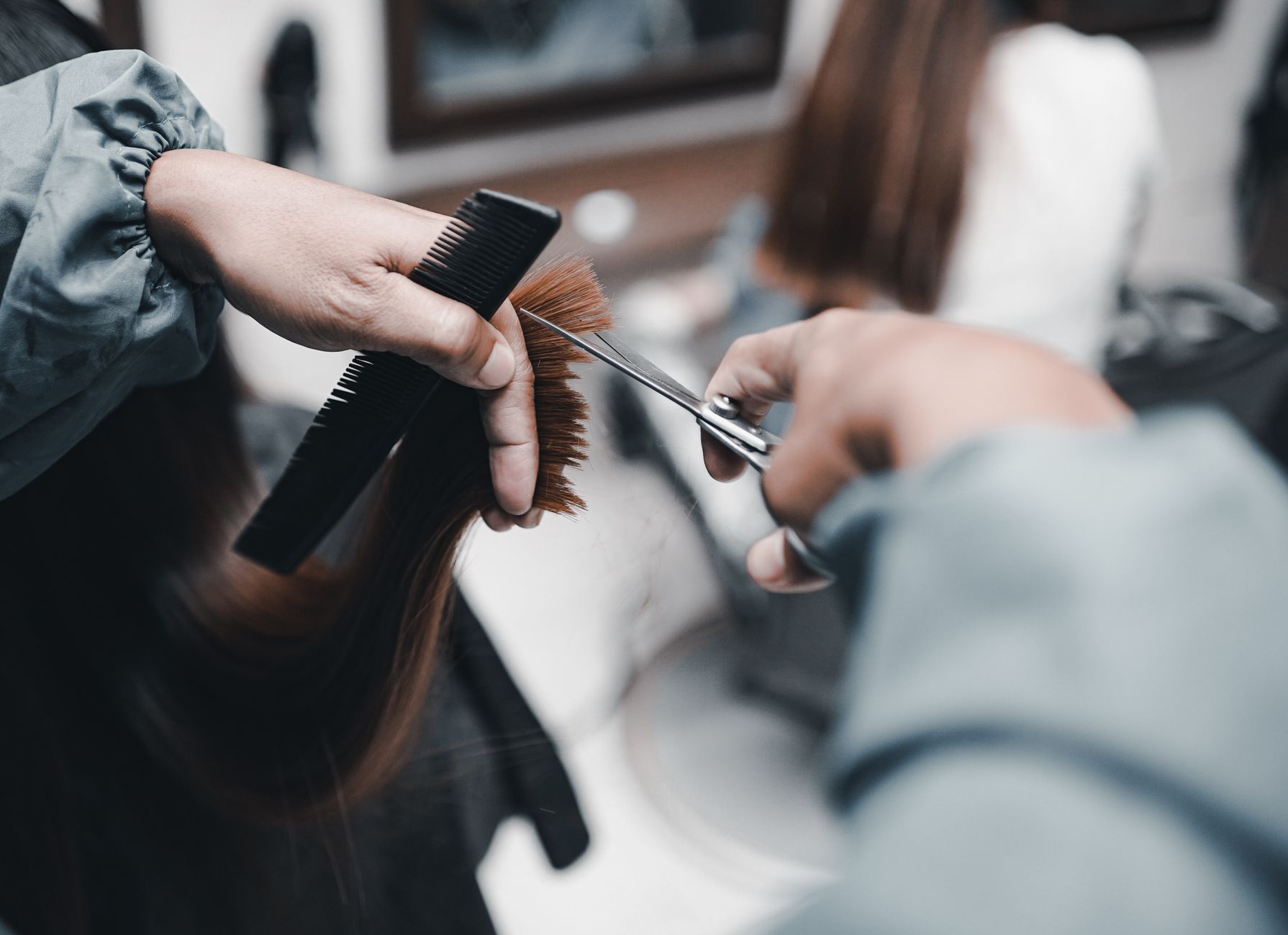
How Long Is Beauty School for Each License?
Beauty school is measured in clock hours, not semesters. Your state board sets the hours for each license, and the school’s schedule turns those hours into weeks. Here is what the schools in this set state for each program:
| Program | Median program hours | Median stated length | Programs stating a length |
|---|---|---|---|
| Cosmetology | 1,500 | 44 weeks | 762 |
| Barbering | 1,000 | 38 weeks | 323 |
| Master esthetics | 900 | 35 weeks | 58 |
| Hair design and braiding | 1,000 | 32 weeks | 52 |
| Makeup artistry | 300 | 25 weeks | 21 |
| Esthetics | 600 | 22 weeks | 435 |
| Instructor training | 600 | 20 weeks | 228 |
| Nail technology | 400 | 16 weeks | 310 |
The median is the middle program, so half run shorter and half longer.
If you need to start earning soon, the license you choose matters more than the school. A nail technology program is a few months; cosmetology is close to a year full time and longer at night. The nail tech school guide and the makeup artist school guide cover the short routes.
Your State Sets the Hours
The same license takes different hours in different states, and that sets the floor for your program length.
| State | Cosmetology | Esthetics | Nails | Barbering |
|---|---|---|---|---|
| California | 1,000 | 600 | 400 | 1,000 |
| Texas | 1,000 | 750 | 600 | 1,000 |
| Florida | 1,200 | 220 | 180 | 900 |
| Pennsylvania | 1,250 | 300 | 200 | 1,250 |
| Illinois | 1,500 | 750 | 350 | 1,500 |
| Ohio | 1,500 | 600 | 200 | 1,800 |
| Michigan | 1,500 | 750 | 600 | 1,800 |
| Washington | 1,600 | 750 | 600 | 1,000 |
| Nebraska | 1,800 | 600 | 300 | 1,800 |
Across the states, 1,500 hours is the most common cosmetology requirement, set in 24 jurisdictions. Esthetics centers on 600 hours (30 states), and nails on 300 to 350. Barbering has the widest spread, from 746 hours in Oregon to 1,800 in Ohio, Michigan and Nebraska.
If you might move, the hours you train now can matter later. Rules for out-of-state licensees differ by state. Washington, at 1,600 cosmetology hours, makes applicants licensed in good standing elsewhere eligible for its exam and issues the license when they pass. Pennsylvania grants reciprocity to applicants with two years of licensed work experience in the state that licensed them. Illinois licenses by endorsement holders of the same or a substantially similar license, but does not accept a license that was itself obtained by reciprocity. Check the state you might move to before you pick between a short program and a long one.
Compare every license in your state with the license requirements comparer.
Some States Also Set a Minimum Number of Months
A few boards stop you from rushing the hours. Pennsylvania requires its 1,250 cosmetology hours over at least 8 consecutive months on a day schedule or 15 months at night. Illinois requires cosmetology hours over at least 8 months, esthetics over at least 18 weeks and nail technology over at least 8 weeks.
Other states let you sit the exam a little early. Texas allows the written cosmetology exam after 900 of the 1,000 hours. Florida allows a school to certify you for the exam after 1,000 actual school hours of the 1,200 required, so you can test while you finish.
Full Time, Evening and Part Time: Real Program Lengths
The same hours take very different calendar time depending on the schedule. These lengths come from each school’s own program page:
| School | Program | Day or full time | Evening or part time |
|---|---|---|---|
| Avalon Institute, Mesa and Phoenix, AZ | Cosmetology, 1,500 hours | 52 weeks | 81 weeks |
| Bellus Academy, CA | Advanced cosmetology, 1,500 hours | 10 months | 15 months |
| Bellus Academy, CA | Cosmetology Foundation, 1,000 hours | 7 months | 10 months |
| Penrose Academy, Scottsdale, AZ | Cosmetology hybrid, 1,500 hours | 47 weeks, Wednesday to Saturday | |
| Advance Beauty College, Garden Grove, CA | Cosmetology, 1,000 hours | 25 to 50 weeks depending on schedule | |
| Salon Success Academy, CA | Manicuring, 400 hours | 12 weeks | 21 weeks |
| International Institute of Cosmetology, Wethersfield, CT | Nail technician, 100 hours | 4 weeks, weekday mornings |
Two patterns stand out. First, a night schedule adds months: Avalon’s evening cosmetology track runs 81 weeks against 52 by day, and Bellus Academy’s runs 15 months against 10. Second, California’s 1,000-hour cosmetology license lets schools there finish in 7 to 10 months, where a 1,500-hour state takes close to a year by day.
In the set, 525 schools offer part-time study and 364 offer evening classes. The part-time beauty schools ranking ranks them.
Hybrid Programs Do Not Cut the Hours
Hybrid programs move some theory online, but the hours stay the same and the hands-on work stays on campus. Penrose Academy’s hybrid cosmetology program still runs 1,500 hours over 47 weeks; the online part covers theory, trends and business skills at your own pace. 139 schools in the set offer a hybrid format. A hybrid schedule can mean fewer days on campus each week, which helps if you commute, but it rarely finishes sooner.
The online beauty school guide explains which parts of training can move online and which cannot.
How Long Each Beauty Program Runs
| Program | Median clock hours | Hour range | Median stated length |
|---|---|---|---|
| Cosmetology | 1,500 | 300 to 1,893 | 44 weeks |
| Esthetics | 600 | 200 to 1,350 | 22 weeks |
| Master esthetics | 900 | 150 to 1,300 | 35 weeks |
| Nail technology | 400 | 100 to 1,350 | 16 weeks |
| Barbering | 1,000 | 45 to 1,800 | 38 weeks |
| Makeup artistry | 300 | 24 to 1,650 | 25 weeks |
| Hair design and braiding | 1,000 | 50 to 1,594 | 32 weeks |
| Instructor training | 600 | 150 to 1,563 | 20 weeks |
Clock hours and lengths as each school states them, November 2026. Length is the first (usually full-time) figure a school gives; months convert at 4.33 weeks.
Cosmetology Hours Required by State
Absences and Make-Up Hours
Because beauty school counts clock hours, every hour you miss is an hour you must make up before you graduate. That is the most common reason a program runs longer than its stated length.
Schools that award federal aid release it in payment periods tied to hours. In a clock-hour program, your first payment period ends when you complete half the program’s clock hours and half its weeks. If you fall behind on hours, your next disbursement waits. A school may count excused absences toward that, but only under a written policy and only up to 10% of the clock hours in the payment period. Ask for the school’s attendance and make-up policy in writing before you enroll; it is the clearest guide to how long you will really be there.
Completion rates also show how many students finish at all. California schools report on-time completion on state fact sheets: Salon Success Academy in Corona reports 77% for calendar year 2024, and Milan Institute of Cosmetology in Vacaville reports 16.7%. A low on-time rate means many students take longer than the stated length.
Apprenticeship Instead of School Takes More Hours
Many states let you train as an apprentice in a licensed salon instead of a school, but the hours are higher:
- California: 3,200 apprentice hours over two years, with 220 hours of related classroom training, against 1,000 school hours.
- Pennsylvania: 2,000 apprentice hours against 1,250 school hours.
- Washington: 2,000 apprentice hours against 1,600 school hours.
- Illinois: from January 1, 2027, a 3,000-hour apprenticeship against 1,500 school hours.
An apprenticeship lets you earn while you learn, but it is rarely the faster route to a license. See the beauty license requirements hub for every state’s apprenticeship rules.
How Long a Second License Takes
Once you hold one license, the next one is usually much shorter, because states and schools credit what you already learned. This is where a school with several programs saves you time: you stay at the same campus and move straight into the add-on.
Crossing Between Cosmetology and Barbering
Texas allows up to 700 hours of dual credit between its 1,000-hour cosmetology and barbering courses. Ohio sets 1,000 cosmetology hours for a licensed barber, against 1,500 for everyone else. Metro Technology Centers in Oklahoma City runs a 300-hour cosmetology-to-barbering crossover program next to its full 1,250-hour barbering program.
Master or Advanced Esthetics
About ten states license a second esthetics tier, and the hours vary widely:
- Ohio: 150 hours of advanced esthetician training beyond the basic license.
- Nevada: 900 hours in the advanced curriculum, or a licensed esthetician plus 300 more hours.
- Washington: 1,200 school hours, or esthetician licensure plus 450 hours.
- Utah: at least 1,200 hours.
Instructor Training
Teaching licenses come after you are licensed and working. Pennsylvania requires 500 hours in a teacher curriculum, North Carolina 800 hours or one year of full-time practice, and Illinois 1,000 hours, or 500 hours plus two years as a licensed cosmetologist. Texas stopped issuing instructor licenses; any cosmetology license holder may teach within the scope of that license at a licensed school. Across the schools in the set, instructor programs have a median of 600 hours and 20 weeks.
How Length Affects Federal Aid
Federal aid treats a clock-hour academic year as at least 900 clock hours over at least 26 weeks. A 1,500-hour cosmetology program is longer than one academic year, so its payment periods are set across more than one academic year. A 600-hour esthetics program fits within one.
Short programs face a different limit. A program needs at least 600 clock hours over 15 weeks to qualify for Pell Grants at a career school, which leaves out many short nail and makeup courses. The beauty school financial aid guide has the detail.
Picking a Program by Time
- You want to work within months: a nail or esthetics license. Nails median 400 hours, about 16 weeks; esthetics 600 hours, about 22 weeks.
- You want the widest license: cosmetology, about 44 weeks full time in a 1,500-hour state.
- You work full time now: an evening cosmetology track: 15 months at Bellus Academy and 81 weeks at Avalon Institute.
- You may add licenses later: a school with several programs, so the second license is a short add-on at the same campus. Paul Mitchell The School Phoenix runs cosmetology, barbering, esthetics, nails and instructor training.
Set the length beside the price in the beauty school cost guide, and use the program finder to see every program near you with its hours.
Frequently Asked Questions
Can You Finish Cosmetology School in Under a Year?
Yes, in states with lower hour requirements or on a full-time day schedule. Bellus Academy in California states 7 months by day for its 1,000-hour Cosmetology Foundation program. In a 1,500-hour state, full-time day programs commonly run 44 to 52 weeks.
What Is the Shortest Beauty License to Get?
Usually nails or a specialty registration. Florida registers a nail specialist after 180 hours and a facial specialist after 220 hours. International Institute of Cosmetology in Connecticut runs a 100-hour nail technician program that takes as little as four weeks.
How Many Hours a Week Is Beauty School?
Full-time day schedules commonly run four or five days a week. Penrose Academy's hybrid cosmetology program meets Wednesday to Saturday, 8:30 AM to 4:30 PM, and Avalon Institute's day schedule runs Tuesday to Saturday, 8:30 AM to 4:00 PM.
Can I Take the State Board Exam Before I Finish?
In some states. Texas lets cosmetology students take the written exam after 900 of their 1,000 hours, and Florida lets a school certify an applicant for the exam after 1,000 actual school hours of the 1,200 required.
Do Absences Make Beauty School Longer?
Yes. Clock-hour programs count the hours you actually attend, so missed hours must be made up. For federal aid, a school may count excused absences only up to a written policy limit, capped at 10% of the clock hours in a payment period.
Is an Apprenticeship Faster Than School?
Usually not. Apprenticeships take more hours than school: California requires 3,200 apprentice hours over two years against 1,000 school hours for cosmetology, and Pennsylvania 2,000 apprentice hours against 1,250 school hours.
Keep Reading
- Online and Hybrid StudyWhat part of beauty training can be online, which schools run hybrid theory and why the practical hours stay in person
- Nail Tech SchoolWhat nail tech school covers, how many hours it runs, what it costs and which schools train nail technicians
- Makeup Artist SchoolWhere to train as a makeup artist, how makeup programs compare with esthetics and cosmetology, and which states license makeup separately
- Choosing a SchoolHow to compare beauty schools on the programs they run, their published cost and pass rates, schedules, accreditation and chain or independent ownership
- What School CostsWhat beauty school costs by program (cosmetology, nails, esthetics, barbering, makeup), from the totals schools publish, and what those totals leave out
- Financial Aid and ScholarshipsWhich beauty schools accept federal financial aid, how Pell Grants and loans work for clock-hour programs, and scholarships for beauty students
- Best Beauty SchoolsWhole schools ranked
- Beauty Licenses by StateEvery license a state issues, in one table
- Beauty School ChainsEvery campus of each chain compared
Sources
- Code of Federal Regulations, 34 CFR 668.8: eligible program length
- Code of Federal Regulations, 34 CFR 668.3: academic year
- Code of Federal Regulations, 34 CFR 668.4: payment periods in clock-hour programs
- Avalon Institute: cosmetology schedules
- Bellus Academy: advanced cosmetology
- Penrose Academy: cosmetology hybrid program
- Salon Success Academy: manicuring program
- State licensing boards' beauty license pages, checked November 2026