Cost Guide
Beauty School Financial Aid and Scholarships
Can You Get Financial Aid for Beauty School?
Yes. Beauty school financial aid works like aid for college when the school and program are approved for federal student aid: 923 of the 1,419 schools checked for this site state that they offer it. You apply with the FAFSA form, and the maximum Pell Grant for the 2026-27 award year is $7,395. Programs under 600 clock hours face tighter federal rules, so short nail and makeup courses often fall outside Pell.
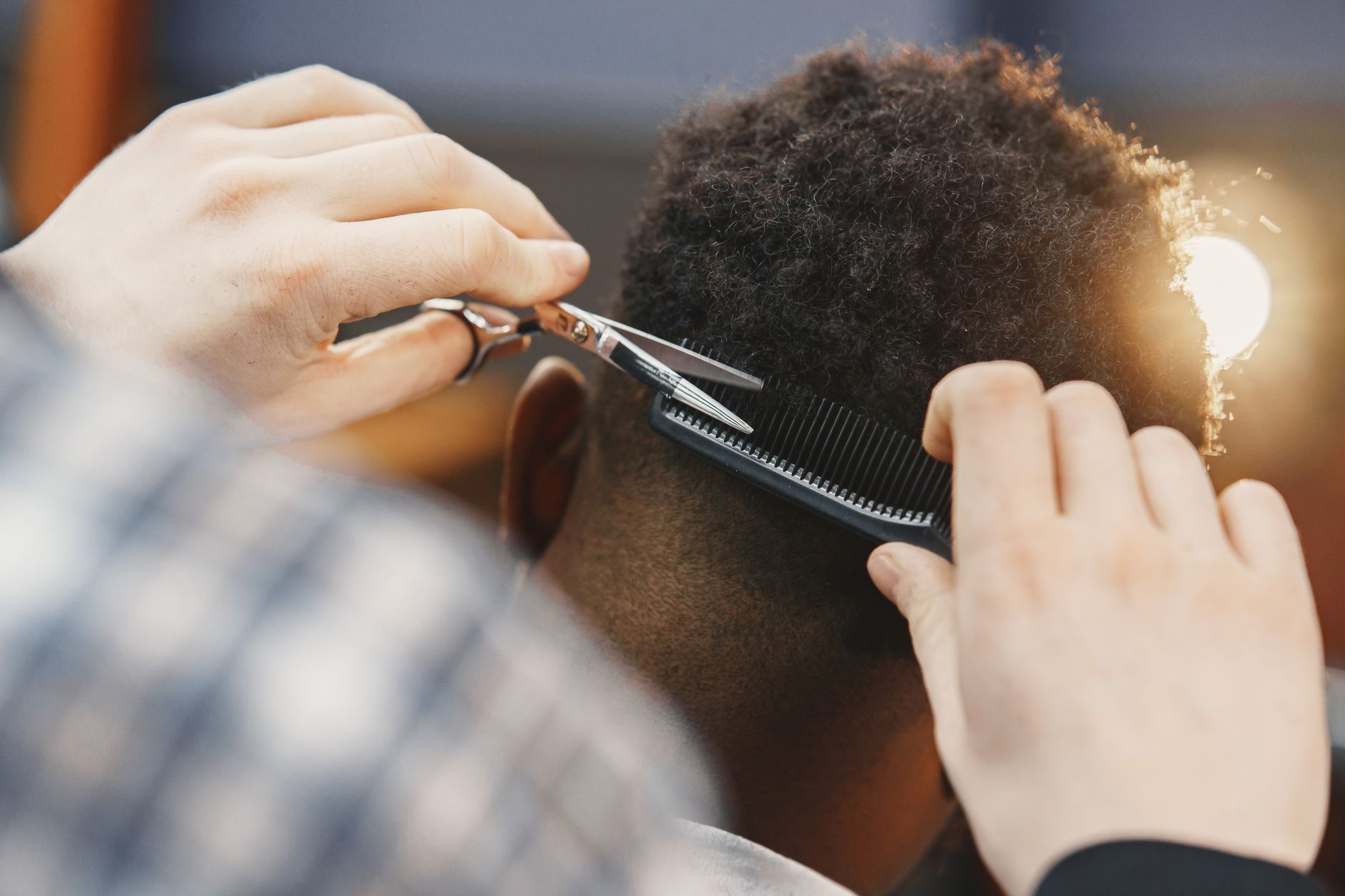
Beauty School Financial Aid: Which Schools Offer It
Federal student aid is the largest source of beauty school financial aid, but it only works at schools the U.S. Department of Education has approved. Of the 1,419 schools verified for this site, 923 state that they offer federal aid. By program:
| Program | Schools teaching it | Schools offering federal aid | Median published tuition |
|---|---|---|---|
| Cosmetology | 1,268 | 824 | $18,000 |
| Esthetics | 796 | 566 | $10,400 |
| Nail technology | 632 | 420 | $4,800 |
| Barbering | 527 | 341 | $14,783 |
| Instructor training | 515 | 352 | $6,000 |
| Makeup artistry | 40 | 33 | $3,000 |
Accreditation and aid tend to go together. 881 schools in the set name an accreditor, and 648 are accredited by NACCAS. Others name COE, ACCSC, ACCET or, at community colleges, SACSCOC.
A school that offers aid may not offer it for every program. Check each program you are considering, since aid approval is set program by program as well as school by school. The ranking of beauty schools with financial aid scores only aid-eligible schools.
Pell Grants: Money You Usually Do Not Repay
A Federal Pell Grant goes to undergraduates with financial need and usually does not have to be repaid. The maximum for the 2026-27 award year (July 1, 2026, to June 30, 2027) is $7,395. What you get depends on:
- your Student Aid Index, figured from your FAFSA form;
- the school’s cost of attendance for your program;
- whether you attend full time or part time;
- whether you attend for a full academic year or less, and how long your program is.
You can receive Pell for up to 12 full-time terms or the equivalent over your lifetime, so a beauty program uses only a small part of that.
Against beauty school prices, Pell can cover a large share at a lower-cost school. Pioneer Technology Center in Ponca City, Oklahoma publishes $3,125 for adult cosmetology and offers federal aid, and Great Plains Technology Center in Lawton publishes $3,875 for its Frederick cosmetology program, also with federal aid. At a private school such as Avalon Institute, which publishes $18,000 for 1,500-hour cosmetology, Pell covers part and loans or savings make up the rest.
Federal Direct Loans
Direct Loans are the other main form of federal aid. Direct Subsidized Loans go to undergraduates with financial need, and the government pays the interest while you are in school at least half time. Direct Unsubsidized Loans do not require need, and interest builds from the start.
To borrow, you must be enrolled at least half time. First-time borrowers complete entrance counseling and sign a Master Promissory Note. Repayment begins after a six-month grace period once you finish, leave or drop below half time.
Loan limits changed under the One Big Beautiful Bill Act, signed July 4, 2025. Your school’s financial aid office sets your actual amount, which can be less than the annual limit. Borrow only what the gap between tuition and your grants requires.
Which Programs Qualify: The 600-Hour Line
Federal rules set a minimum size for an aid-eligible program at a career school:
- 600 clock hours or more, over at least 15 weeks: eligible for Pell Grants and Direct Loans. Most cosmetology, barbering and esthetics programs clear this.
- 300 to 599 clock hours, over at least 10 weeks: eligible for Direct Loans only, and only if the program shows completion and placement rates of at least 70 percent and has run for at least a year.
- Under 300 clock hours: not eligible.
This is where nail and makeup students get caught. The median nail program in the set is 400 hours and the median makeup program 300 hours, both under 600. A 100-hour nail course, like the one International Institute of Cosmetology runs in Connecticut for $3,347.50, falls below every line, so you pay it yourself.
Florida writes this rule into its licensing law. Its full specialist registration, which covers both facial and nail services, takes 400 hours, or the hours needed to meet minimum Pell Grant requirements. See the Florida license page.
The Pell Grant page also notes that some students in an eligible workforce program might receive a Pell Grant. If you are looking at a short program, find out from the school whether it is approved under that route.
Program Hours Are Capped at Your State’s Minimum
For programs offered since July 1, 2024, federal rules require schools to keep a program’s hours to the greater of their state’s minimum for the license or, in documented cases, another state’s minimum.
That protects you from paying with loans for hours your license does not need. When a school offers a longer program next to a state-minimum one, confirm which version your aid covers. The program length guide shows where schools sell both.
Beauty Schools Offering Federal Aid, by State
923 of 1,419 schools say on their own pages that federal financial aid is available to eligible students, November 2026.
How Aid Is Paid in a Clock-Hour Program
Beauty schools pay out aid by hours, not semesters. In a clock-hour program, your first payment period ends when you complete half the program’s hours and half its weeks. Your next disbursement comes only after you earn those hours.
Missed hours slow your aid. A school may count excused absences toward a payment period only under a written policy and only up to 10% of that period’s clock hours. If you withdraw and return to the same program within 180 days, you stay in the same payment period and can receive the aid you were eligible for before you left.
For a program longer than an academic year (900 clock hours and 26 weeks), the cycle repeats for each academic year, so a 1,500-hour cosmetology program runs across more than one.
Cosmetology Scholarships and Other Grants
Scholarships are gifts you do not repay. The Department of Education points students to these free sources:
- the financial aid office at each school you are considering;
- a high school or TRIO counselor;
- the U.S. Department of Labor’s scholarship search tool;
- your state grant agency;
- professional associations in the field, community groups and employers.
Two cautions. You never have to pay to find a scholarship, so treat any fee as a warning sign. And your total aid cannot exceed the school’s cost of attendance, so tell the financial aid office about any scholarship; it may reduce your loans rather than your grant.
If you are choosing between chain campuses, compare their published tuition first in the chain campus comparer; a scholarship is worth more at a campus that already costs less.
Aid Choices for Your Situation
You are undecided between cosmetology and a shorter license. Cosmetology clears the 600-hour line almost everywhere, so it is the easiest program to fund with a Pell Grant. A nail program under 600 hours may be loan-only or self-pay. Esthetics at 600 hours or more is usually aid-eligible. If you want aid and a short program, look for esthetics, or for a nail program long enough to clear the line, such as the 600-hour advanced manicuring program at Advance Beauty College, published at $4,395.
You work full time. Part-time study lowers your Pell award, and Direct Loans need at least half-time enrollment. An evening program that counts as half time or more keeps loans open. 525 schools in the set offer part-time study.
You may switch programs. If you move into another program at the same school, or transfer to another school, your payment periods are recalculated on the hours you have left. Starting at a school that teaches both programs keeps the move simple.
You leave and come back. Return to the same program within 180 days and you stay in the same payment period, with access to the aid you had before you left. After 180 days, the school sets new payment periods for the rest of your hours.
Who Qualifies for Federal Aid
The basic requirements are:
- U.S. citizenship or eligible noncitizen status and a valid Social Security number;
- enrollment as a regular student in an eligible certificate or degree program;
- satisfactory academic progress, which in a beauty school means keeping up your hours and grades;
- consent to transfer your federal tax information into the FAFSA form;
- a high school diploma, a GED or other state-recognized equivalent, or an approved homeschool completion.
Without a diploma, you can still qualify through an eligible career pathway program by passing an approved ability-to-benefit test, or by completing 225 clock hours toward the certificate first, without aid for those hours. This matters because many states let you enroll in beauty school with only a 10th-grade education. The beauty school requirements guide lists each state’s rule.
If the School Does Not Offer Federal Aid
Hundreds of schools in the set run without federal aid. Many of them are public schools with very low tuition. Robert Morgan Educational Center and Technical College in Miami publishes $3,072 for 1,200-hour cosmetology; South Dade Technical College publishes the same price, plus $2,304 for 900-hour barbering. At those prices, scholarships, a payment plan or savings can cover the bill without loans.
Compare both kinds of school in the beauty school cost guide and the affordable beauty schools ranking, or filter by aid in the program finder.
Frequently Asked Questions
Does FAFSA Cover Cosmetology School?
It can. The FAFSA form is how you apply for Pell Grants and federal Direct Loans, and you can use them at a cosmetology school approved for federal aid. 824 schools in the set with a cosmetology program state that they offer federal aid.
Can I Get Financial Aid Without a High School Diploma?
Sometimes. Federal aid normally needs a diploma, a state-recognized equivalent such as a GED or an approved homeschool completion. Students in an eligible career pathway program can qualify instead by passing an approved ability-to-benefit test or by completing 225 clock hours toward the certificate, without aid for those hours.
Is Nail Tech School Covered by Financial Aid?
Only when the program is long enough and the school is approved. Pell Grants need at least 600 clock hours over 15 weeks at a career school. A 300 to 599-hour program can qualify for Direct Loans only, and only with completion and placement rates of at least 70 percent. 420 schools in the set with a nail program state that they offer federal aid.
Do I Have to Repay a Pell Grant?
Usually not. A Pell Grant does not have to be repaid except in certain circumstances, such as leaving the program early. Federal Direct Loans must be repaid, starting after a six-month grace period once you leave school or drop below half time.
Are Public Beauty Programs Eligible for Aid?
Some are and some are not. Pioneer Technology Center in Ponca City, Oklahoma publishes $3,125 for adult cosmetology and offers federal aid. Robert Morgan Educational Center and Technical College in Miami publishes $3,072 for cosmetology and does not list federal aid for the program.
Where Can I Find Cosmetology Scholarships?
Start with the financial aid office at the schools you are considering, your state grant agency, the U.S. Department of Labor's scholarship search tool and professional associations in the beauty field. You never have to pay to find a scholarship.
Keep Reading
- What School CostsWhat beauty school costs by program (cosmetology, nails, esthetics, barbering, makeup), from the totals schools publish, and what those totals leave out
- Choosing a SchoolHow to compare beauty schools on the programs they run, their published cost and pass rates, schedules, accreditation and chain or independent ownership
- How Long It TakesHow many clock hours and weeks beauty school takes for cosmetology, nails, esthetics and barbering, by state rule and by the schedules schools publish
- Admission RequirementsWhat you need to start beauty school and to sit for the license: minimum age, education, admission steps and each state's rules
- Best Beauty SchoolsWhole schools ranked
- Beauty Licenses by StateEvery license a state issues, in one table
- Beauty School ChainsEvery campus of each chain compared
Sources
- Federal Student Aid: Federal Pell Grants
- Federal Student Aid: Direct Subsidized and Unsubsidized Loans
- Federal Student Aid: eligibility requirements
- Federal Student Aid: finding and applying for scholarships
- Code of Federal Regulations, 34 CFR 668.8: eligible program
- Code of Federal Regulations, 34 CFR 668.4: payment periods
- Federal Student Aid: applying for aid